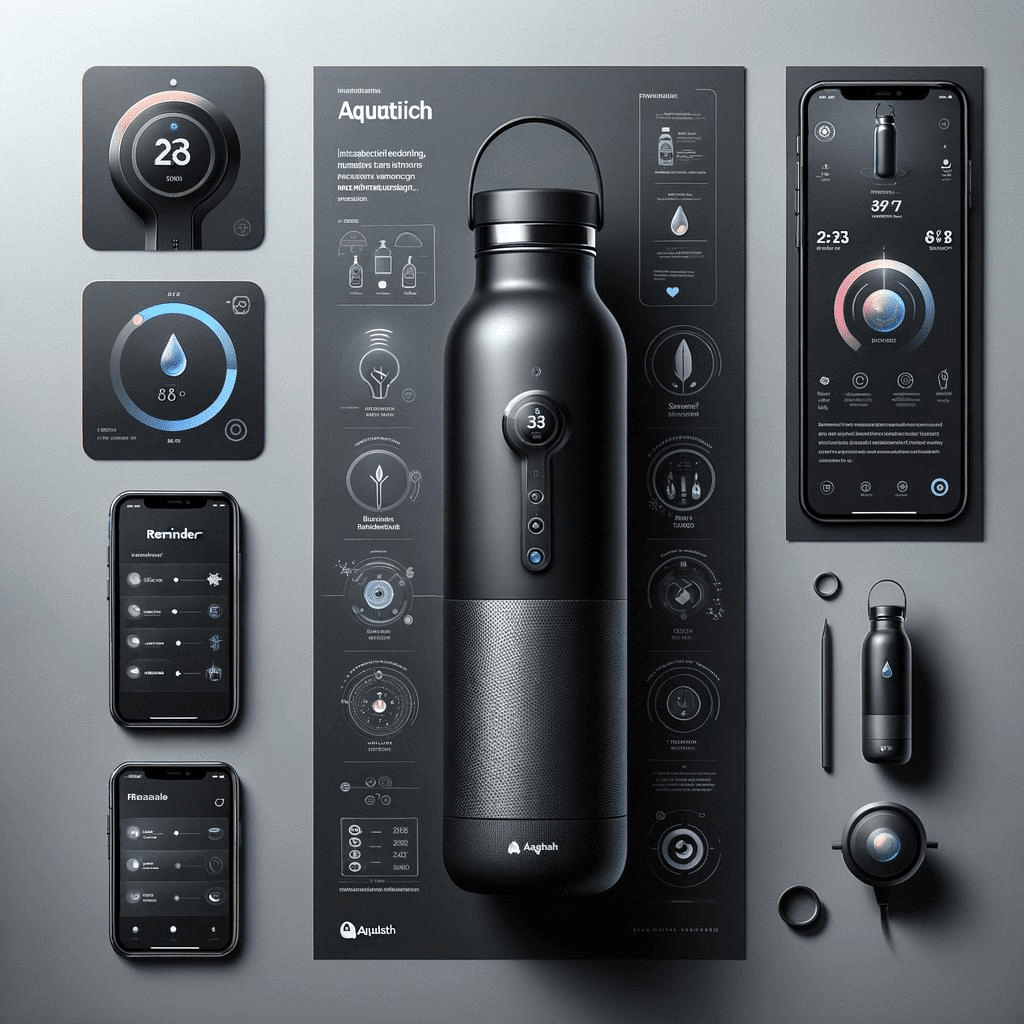
As I worked through my market research for the Apple smart water concept, it became clear that this product fits closely with Apple Inc.’s overall objectives. Apple continues to expand its ecosystem while strengthening its position in health, wellness, and lifestyle technology. With existing products focused on fitness tracking and health monitoring, a smart hydration product feels like a natural next step. The research supports the idea that consumers are increasingly interested in combining technology with everyday habits, especially when it improves convenience, performance, or overall health.
From a demand perspective, my findings suggest that health-conscious consumers who already use fitness apps or wearable devices are the most likely to adopt this product. This supports Apple’s goal of increasing engagement within its ecosystem. Instead of being a standalone product, smart water would connect with existing Apple services and devices, creating a more integrated experience. This strengthens customer loyalty while also increasing the value of Apple’s current offerings.

There are several important industry trends that support this concept. One major trend is the rise of the “quantified self” movement, where people track personal data such as steps, sleep, and hydration. Another trend is the continued growth of the premium beverage market, where consumers are willing to pay more for added value. There is also a strong shift toward personalized health solutions, which aligns directly with the idea of smart hydration.
Looking ahead, future trends could make this type of product even more relevant. Improvements in artificial intelligence and health data integration could allow smart water systems to provide real-time hydration recommendations based on activity levels, environmental conditions, and biometric data. This creates a strong opportunity for Apple to expand further into physical wellness products. At the same time, it could lead to increased competition as other companies attempt to enter this space.
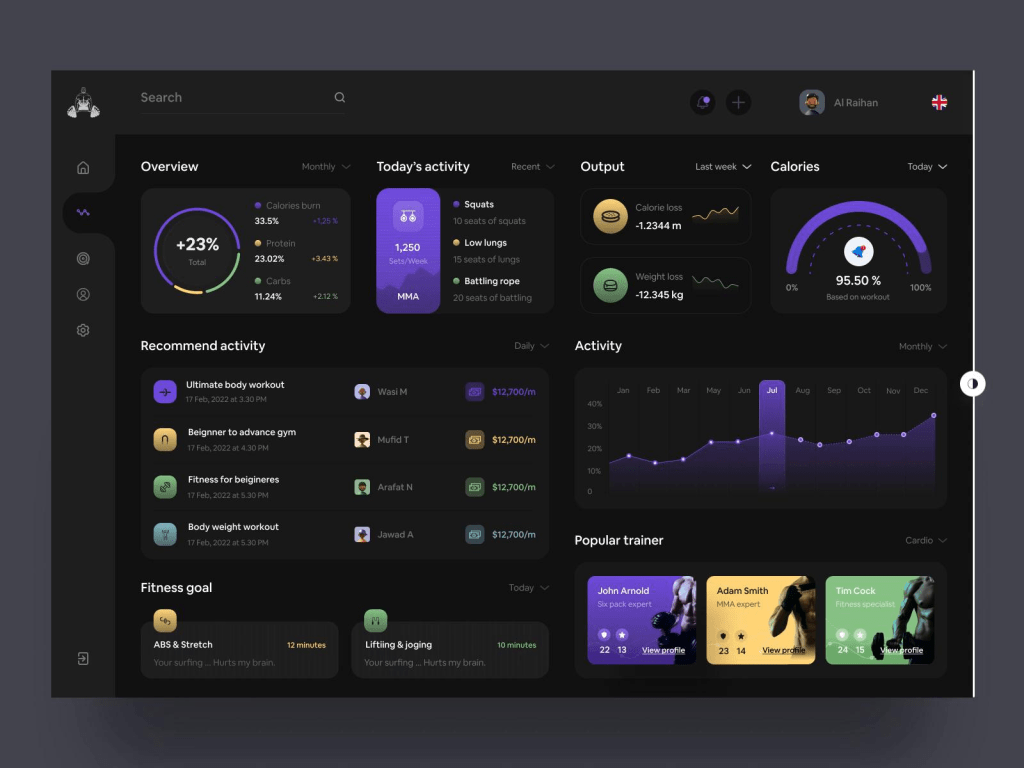
From a legal and ethical standpoint, the proposed marketing strategy focuses on transparency and responsible data use. Because this product would likely collect personal health data, it is important for Apple to clearly communicate how that data is collected, stored, and used. This aligns with current privacy expectations and regulations, as well as Apple’s brand image around security. Ethically, the marketing would avoid exaggerated claims and instead focus on realistic benefits such as improved hydration awareness and convenience. Following industry standards for truthful advertising and consumer protection will help maintain credibility and trust.
There are also some limitations in my research and proposal. One of the biggest challenges is that this product represents a new category, so there is limited direct data available. Most of the insights come from related industries such as wearable technology and premium beverages, which introduces some uncertainty when predicting actual demand.
Another limitation is related to sampling. My research focused heavily on health-conscious and tech-savvy individuals, which makes sense for early adopters, but may not fully represent the broader market. This could lead to an overestimation of demand or willingness to pay. In addition, much of the research relied on secondary sources, which may not fully reflect real-time consumer preferences specific to this product.

Overall, the research supports the potential success of the Apple smart water concept, but it also highlights the need for further testing. Primary research methods such as surveys and test markets would help validate demand and refine the strategy. The concept aligns well with current trends and Apple’s long-term direction, but there are still gaps that need to be addressed before a full launch.
References
Kotler, P., & Keller, K. L. (2020). Marketing management (16th ed.). Pearson.
Malhotra, N. K. (2019). Marketing research: An applied orientation (7th ed.). Pearson.
Pew Research Center. (2021). Mobile fact sheet. https://www.pewresearch.org
 Consumer Behavior Project
Leave a comment