We’ve all seen brand rivalries before, whether it’s Apple vs. Microsoft, Coke vs. Pepsi, or Nike vs. Adidas. These rivalries aren’t just for entertainment; they actually play a big role in how we decide what to buy. But lately, there’s been a shift. Instead of tearing competitors down, some brands are starting to lift them up, and weirdly enough, it works.
The Old Way: Compete Hard
Traditional rivalry marketing is pretty straightforward: make your brand look better than the other guy. The classic Mac vs. PC ads did this perfectly. Apple made Macs look cool, simple, and modern, while PCs were shown as boring and outdated.
This kind of strategy works because it makes decisions easier for consumers. You basically pick a side. Over time, that builds strong brand loyalty, people don’t just buy a product, they feel like they’re part of something.
The New Way: Respect the Competition
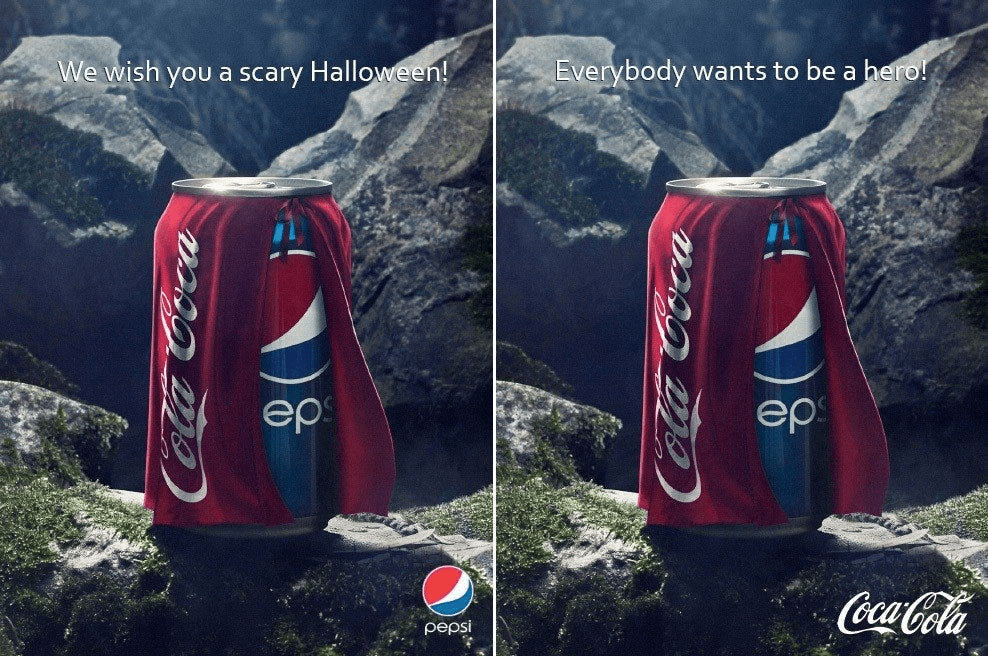
Now, some brands are taking a completely different approach, actually praising their competitors. At first, that sounds like bad business. Why would you help promote someone else?
But here’s the thing: when a brand acknowledges a competitor’s strengths, it comes off as confident. It signals, “We know we’re good, we don’t need to trash anyone else to prove it.” That kind of attitude builds trust fast.
And trust is everything. If people trust your brand, they’re way more likely to buy from you and stick with you.
Why This Works So Well
A lot of this comes down to how our brains work. Most people don’t sit there analyzing every detail before buying something. We make quick judgments, almost instantly.
This is where something called thin-slice thinking comes in. Basically, we form opinions in seconds based on small cues. So when a brand acts respectful and fair, we automatically think, “Okay, this company seems legit.”

That quick impression can be enough to push someone toward buying. It feels more genuine compared to aggressive ads that are clearly trying to win you over.
But It Doesn’t Always Work
Even though praising competitors can be effective, it’s not foolproof.
For one, if a brand goes too far with it, people might start wondering what makes that brand special in the first place. You don’t want customers thinking, “Wait… so why wouldn’t I just buy from the competitor instead?”
It’s also risky in super competitive markets where price matters most. If someone is just looking for the cheapest option, praising another brand could backfire and send them straight to that competitor.
And honestly, if it feels fake, it’s over. People can tell when something is forced. If the praise doesn’t feel genuine, it can actually hurt the brand more than help it.
Finally, this strategy works better for well-known brands. If a smaller or newer company tries it, it might just make them look like they’re not confident enough to stand on their own.
The Bottom Line
Brand rivalries aren’t going anywhere, but how companies handle them is changing. The old-school approach of direct competition still works, especially for building strong identities and loyal customers. But the newer strategy, respecting and even praising competitors, can build trust in a way that feels more real to consumers.
At the end of the day, people don’t just buy products, they buy into how a brand makes them feel. And sometimes, being respectful and confident beats being aggressive.
References
Aggarwal, P., & McGill, A. L. (2012). When brands seem human, do humans act like brands? Automatic processing and brand perception. Journal of Consumer Research, 39(2), 307–323. https://doi.org/10.1086/662614
Berger, J., & Heath, C. (2007). Where consumers diverge from others: Identity signaling and product domains. Journal of Consumer Research, 34(2), 121–134. https://doi.org/10.1086/519142
Gladwell, M. (2005). Blink: The power of thinking without thinking. Little, Brown and Company.
Keller, K. L. (2013). Strategic brand management (4th ed.). Pearson.
 Consumer Behavior Project
Leave a comment