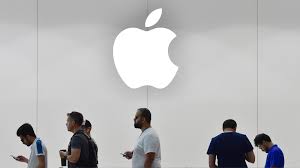
Companies today cannot market their products to everyone in the same way. Instead, they use market segmentation, which divides consumers into groups with similar needs, behaviors, or characteristics. By understanding these groups, companies can develop more effective marketing strategies and connect with consumers more personally. A company I recently purchased from is Apple, specifically within the iPhone product category. Apple is a strong example of how segmentation can be used effectively to reach different types of consumers.
Apple’s Market Segments and Segmentation Strategies
Apple uses several segmentation strategies to target different groups of customers.
First, Apple applies demographic segmentation. Apple products often target consumers with moderate to high income levels who are willing to pay more for premium technology. Apple also markets heavily toward students, professionals, and creatives such as designers or video editors who rely on technology for productivity.
Second, Apple uses psychographic segmentation, which focuses on lifestyle and values. Apple strongly targets consumers who value innovation, simplicity, creativity, and high-quality design. Many Apple customers view their devices as more than just technology, they see them as part of their lifestyle and identity.
Third, Apple uses behavioral segmentation. For example, Apple markets upgrades and new iPhone releases toward existing Apple users who already use other Apple products such as MacBooks, Apple Watches, or AirPods. This encourages continued loyalty within Apple’s ecosystem.
Finally, Apple uses geographic segmentation. Apple adjusts pricing, advertising campaigns, and product availability depending on the region. In markets like the United States and Europe, Apple emphasizes premium features and ecosystem benefits, while in other markets it may promote older models or financing options to make products more accessible.
Through these strategies, Apple successfully reaches multiple market segments while maintaining a consistent premium brand image.
Key Points When Implementing Segmentation Strategies

When companies implement segmentation strategies, there are several important principles to remember.
First, segments must be identifiable and measurable. Marketers must be able to clearly define the characteristics of a segment and determine its size and purchasing power.
Second, segments must be reachable. Companies need effective channels such as social media, advertising platforms, or retail stores to communicate with the segment.
Third, segments must be substantial enough to be profitable. If a segment is too small, it may not justify the cost of targeted marketing efforts.
Fourth, segments must respond differently to marketing strategies. If all consumers respond the same way, segmentation would not provide any benefit.
Finally, segmentation strategies should align with the company’s overall brand identity. For example, Apple maintains a premium image even while targeting different consumer groups.
A New Market Segment Opportunity
A market segment that has become increasingly visible in recent years is younger

content creators and social media influencers. Platforms such as TikTok, YouTube, and Instagram have created a generation of individuals who rely heavily on mobile technology for filming, editing, and publishing content.
Apple is already somewhat connected to this market because iPhones have high-quality cameras and powerful editing capabilities. However, Apple could further develop a segmentation strategy specifically targeting content creators.
One possible strategy would be to create marketing campaigns focused on mobile content creation, highlighting features such as camera quality, editing apps, and seamless integration with other Apple products. Apple could also partner with influencers or creators to demonstrate how iPhones are used to produce professional-level content.
By focusing on this segment, Apple could strengthen its position among younger consumers while reinforcing the idea that its products support creativity and innovation.
Conclusion
Market segmentation allows companies to better understand their consumers and tailor marketing strategies that meet specific needs and preferences. Apple demonstrates how demographic, psychographic, behavioral, and geographic segmentation can be combined to create a strong and effective marketing approach. As technology continues to evolve, identifying new market segments, such as content creators, will be essential for companies looking to remain competitive and relevant in the marketplace.
References
Armstrong, G., & Kotler, P. (2022). Marketing: An introduction (14th ed.). Pearson.
https://www.pearson.com
Kotler, P., & Keller, K. L. (2022). Marketing management (16th ed.). Pearson.
https://www.pearson.com
Apple Inc.. (2024). iPhone. Apple.
https://www.apple.com/iphone/
Apple Inc.. (2024). Apple Newsroom.
https://www.apple.com/newsroom/
Investopedia. (2024). Market segmentation definition.
https://www.investopedia.com/terms/m/marketsegmentation.asp
 Consumer Behavior Project
Leave a comment